GARRY GOTTFRIEDSON & HAROLD RHENISCH Reading and Open Mic

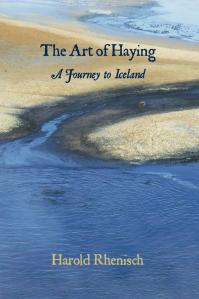
0 to 4:00 pm. on Saturday, January 25, at the Vernon Library, we will celebrate poetry together, and open the floor to an open Mic. Garry is going to read from his newest book The Flesh of Ice. I will be reading from The Salmon Shanties, my new book of the land we share and the paths to reconciliation it offers us. I am really looking forward to the Open Mic. Garry will be offering one-on-one poetry consultations in the morning and early afternoon. I expect we will hear exciting new work from new voices. Here are our books.

Garry and I first read together 31 years ago in 100 Mile House. The next day, we hosted a workshop on myth, which was my invitation to open up poetry into a form that included the land as part of the self. It was a pretty fantastic workshop, with Garry’s Secwepemc perspective and my own explorations from trickster cultures, drama and a life lived close to our land. Now Garry has closed the circle by inviting me to join him. We’ve been trying to read together for several years now. Well, here we are. How great is this!

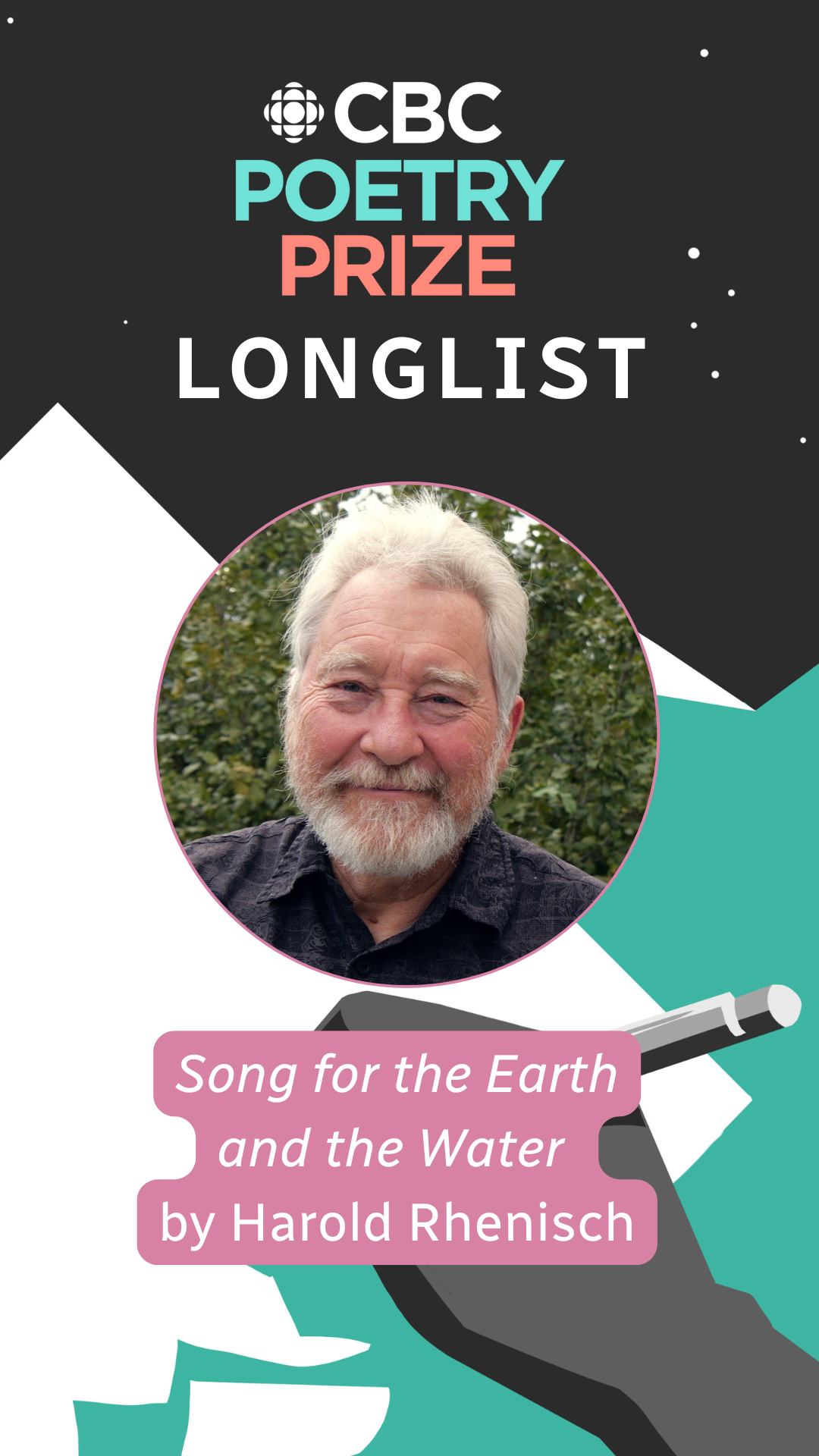
My poems include Sugar Cane Fancy Tanse, a poem written after being moved by the dancers at the Sugarcane Father’s Day Pow-wow twenty some years ago. It won a CBC Poetry Prize in 2005. I will also read from Song for the Land and the Water, which was long-listed for the CBC Poetry Prize this year, and Saying the Names Shanty, which won a CBC poetry prize in 2017.

See you there!

Song for the Earth and the Water Makes the CBC Poetry Prize Long List!

This is one of the closing poems from my manuscript “We are George Ryga,” proletarian songs about the Okanagan Valley and a whole lot else, as a land of stories and solidarity.

You can read the long list and the CBC’s notes here:

https://www.cbc.ca/books/literaryprizes/song-for-the-earth-and-the-water-by-harold-rhenisch-1.7372218

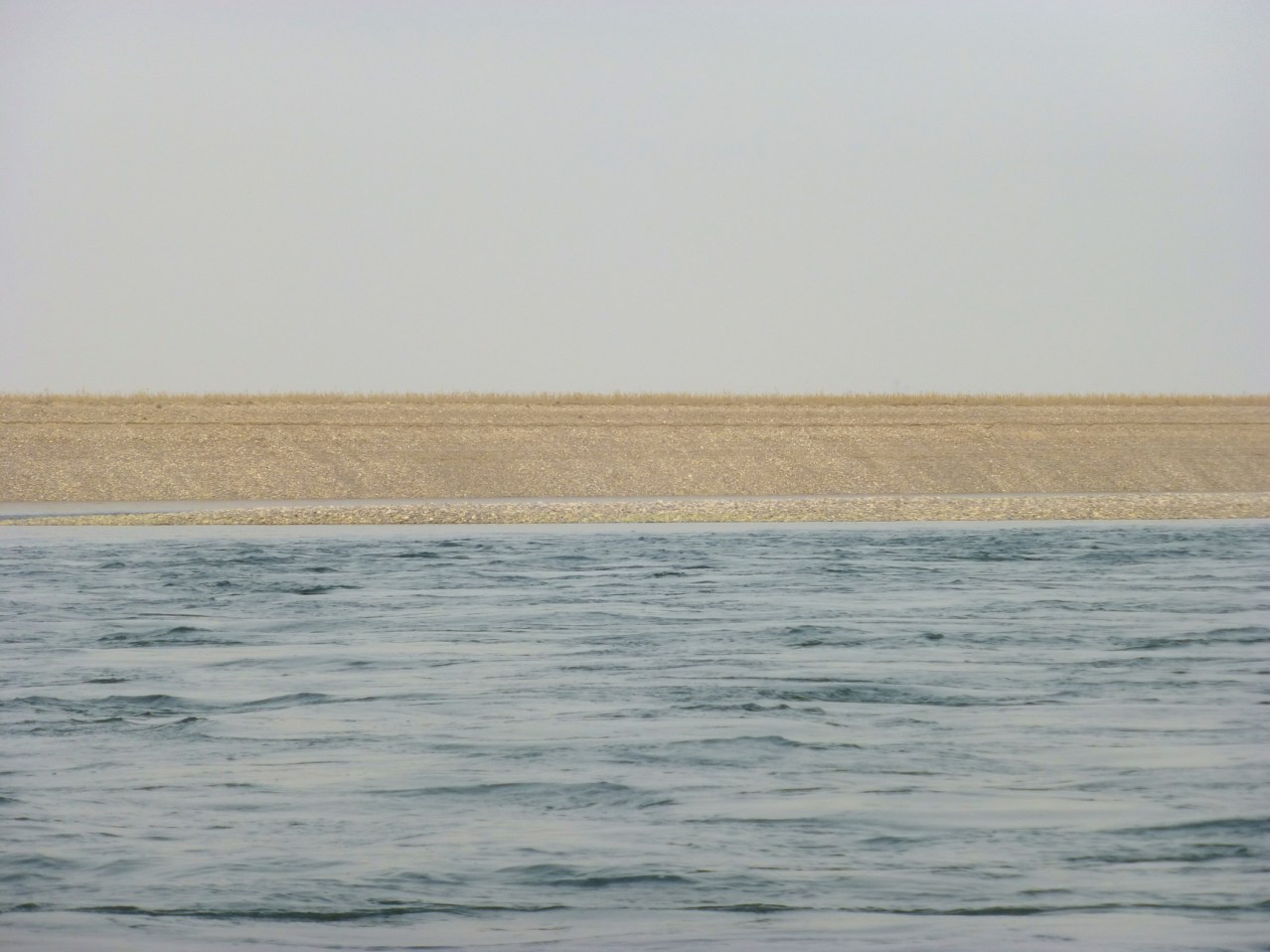
This photo came from the day that inspired the poem. This is the setting, lived just a little later, right at water level.

Blessed be.

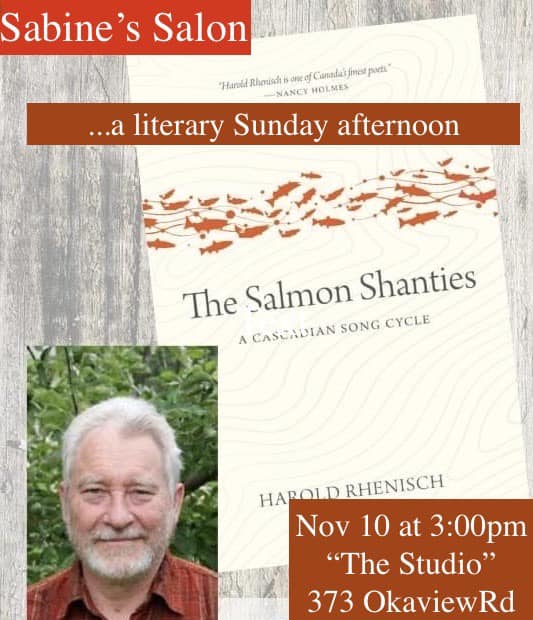
Reading from the Salmon Shanties in Kelowna on Sunday, November 10

We’ll have a slideshow on Cascadia, and then a reading linking Father Pandosy and Chief Nkwala to the Okanagan today, rooted not in Canadian colonial history but in its real foundation, the Columbia country. To get you started, here’s a little background from okanaganokanogan.com on how the book got going over the last 15 years…


The Salmon Shanties, reviewed.

It’s great to have readers!

I set out to follow my river home and to sing the journey as a map.

The Nkwentkwitkw, below Rattlesnake Ridge, photo by Harold Rhenisch

I had singing instructors.

A Couple of my People in the Russian Olives on Klluskenitkw, photo by Harold Rhenisch

And a sound track:

I had co-travellers.

Raven keeping an eye on me, Bella Vista Hills, photo by Harold Rhenisch

And another soundtrack.

And as the years went on and I found a clean path to the book’s long lines, another:

And I entered old songs.

Pahto, near Mool Mool, photo by Harold Rhenisch

And met people who live within them.

A Big Guy on Turtle Ridge, photo by Harold Rhenisch

And now the land and water have new readers. That is very fine. I set out to sing a landscape.

Coyote Cliffs, Kalamalka Lake, photo by Harold Rhenisch

I learned that it is a world. In the final stages of the book, my soundtrack was this:

Thank you, all.


Maybe I’ll play some music on Sunday, too, so we can all be flowing to sea and climbing back up together.

Reading The Salmon Shanties in Vancouver on Tuesday

First, the work. New garden boxes built, in time to plant the garlic before winter. You can see it under what used to be the lawn, there, a nice green quilt.

Schedules are set by the Earth. Then some wrestling with fish. They are slippery, and hard to keep between the pages, but it’s good that way.

Now, to cross the mountains. We’re going to talk about haiku, and how the waves breaking on the beaches of the Coast can shape a series of poems.

See you there!

The Salmon Shanties Launches!

It’s here! The launch of The Salmon Shanties will be at Pamplemousse Jus Winery in Summerland, at 4 pm on September 19, as part of the Ryga Arts Festival.

See you there at 9819 Lumsden Ave, Summerland. This blog was created to write this book. This reading was created so we could sample some wine made from the land and talk about poetry and its shared terroir with wine here in Cascadia. Here’s what Sharon Thesen says about this book:

“This is an astonishing book. It rips the world open. It takes no prisoners. It upends the entire overlay of globalism that has turned a peach into an industrial product. It is an ecstatic unravelling of the delusions of the present. Rhenisch’s visionary and prophetic voice joins those of the Indigenous Cascadian past to restore, in poetry, the sane and beautiful way of its water-keepers.” —Sharon Thesen

I will be reading selections from the book, along with a show of images, including a loon flying underwater, vineyards growing in shale scree in Germany, a theosophical vineyard in Switzerland, and so much more. Our local terroirs will be set amidst many others in Washington and Oregon, growing on the same soil, from the Wahluke Slope to Rattlesnake Ridge, the Horse Heavens, and the Willamette. All will be rooted in Indigenous land. With any luck, we will get to taste some sumac, if the guys have any of that still in the bottle!

The Pamplemoussers Getting Ready for us!

I hope you can come! This is going to be a very unique event. Even better, if you come to the opening of the Festival at 6 pm on Wednesday, September 18, I will read from the sequel to The Salmon Shanties, We are George Ryga. This is the year that fruit growers in the Okanagan Valley are in crisis as they haven’t been for fifty years, so I will take you back those fifty years, and forty before that, with a vision of moving forward. You’ll have to come and hear the details of just why we are George Ryga and how we can make it all work. There will be a slide show of the United Fruit Growers protest of 1973, when activism changed the Okanagan world forever. Come and meet the BC Fruit Police, and see them and the RCMP meet their match against a convoy of partisans and black marketeers from European wars, and a WWII fighter pilot, too. The opening will be at Summerland’s Ryga Arts Centre at 6 pm. See you there.

Changelings: Story Telling at Cottage Bistro in Vancouver on February 28, 2016

Changelings_FC-275x413Cassy Welburn and I are story-telling at Vancouver’s Cottage Bistro on Sunday, February 28. From  fairies to a waitress at a truck stop who

calls out orders
over the sound of retarder brakes
and exhaust,

Cassy’s startling and life-affirming stories rise from the Celtic tradition after long experience as a performer and story teller. Click here for a review of Cassy’s book. Cassy and I were on stage in Lethbridge last fall and had a blast telling stories with each other. It’s your turn to be charmed. I will be telling stories from my book The Art of Haying: a Journey to Iceland,Haying Cover including encounters with elves, trolls, the Green Man, a dragon and others on a pilgrimage through the German forest and escape to the volcanic remnant of Atlantis in the North Atlantic. This is a love story and a tribute to the beauty of Iceland. I’m bringing a collection of photographs from the book to show you all the top of the world.

The performance is at Cottage Bistro, at 4470 Main Street in Vancouver. Their phone is 604-876-6138.

The show is at 5 pm. We’ll have you home in time for dinner with the elves.


Cassy Welburn

Cassy

Harold-Rhenisch-225x300

Harold


Khezr, the Hidden Prophet, and My Two Minds

Welcome to my new book, and it’s amazing, unexpected story. The book is Two Minds, a collection of ghazals, an ancient Persian poetic form steeped in mystic sufic tradition and pop song. There’s a story about the ghazal form, which is beautiful to tell, but first, surprise. I feel carried in the palm of God’s mind. I know, not a literary thing to say, but let me tell the story, and then you can decide. To get started, here’s the cover:

twominds

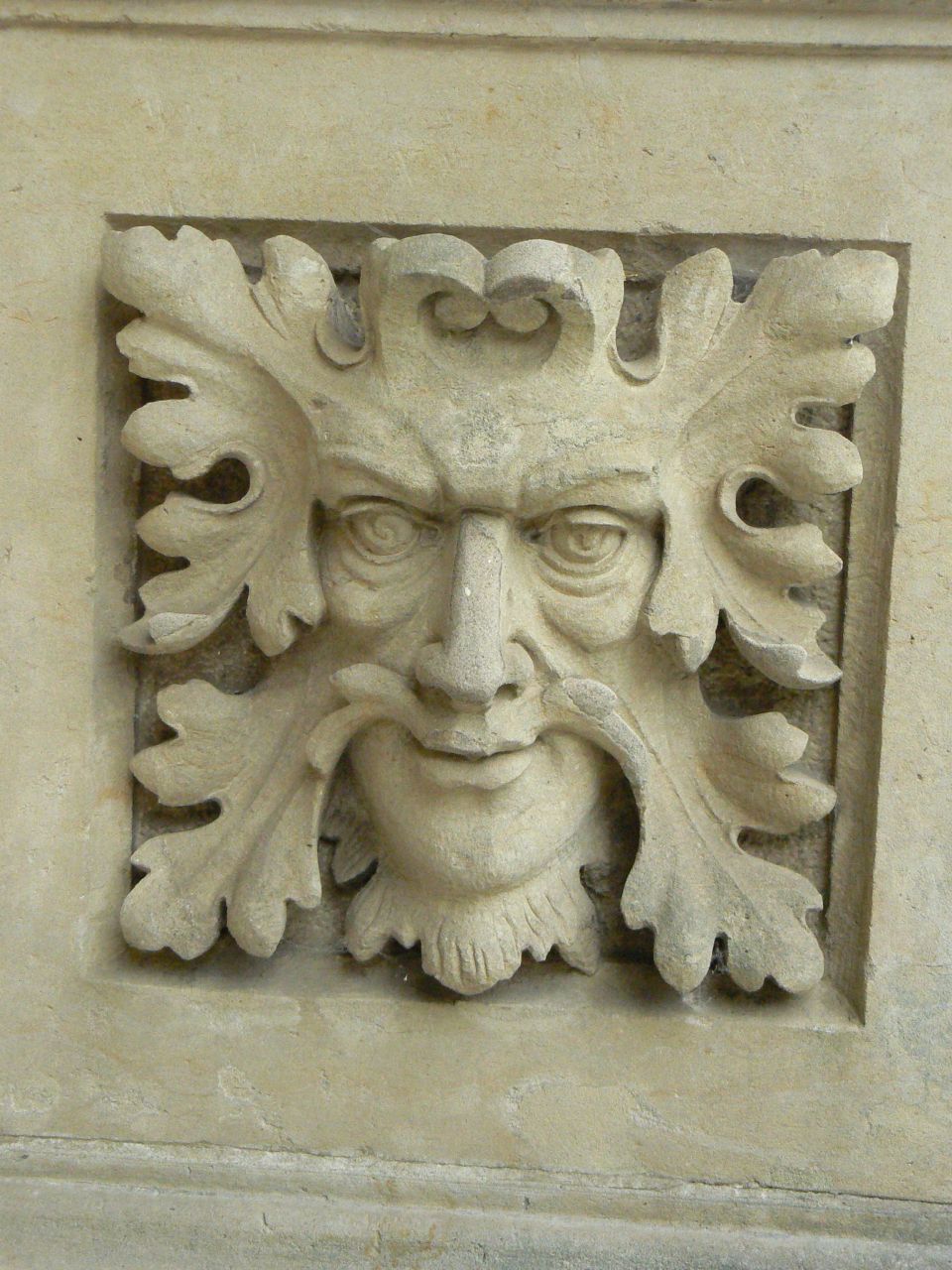
That, I told my publisher, is the Green Man of the Schönfeld Dream Palace, a kind of pre-modern theme park north of Dresden, in Saxony. I was there in 2010, and took this snap. The Green is ancient, a human figure with leaves growing from his tongue, sometimes, and from his hair, eyebrows, moustache and beard, always. The original human, in the Middle European forests, an ancient god that the Celts brought with them as they migrated from ancient Persia, a symbol of aristocratic right, peasant groundedness and, in the 19th century, German national aspirations. You’ll find him on coats of arms, public buildings, cathedrals and furniture from Wales to Poland, and down into Hungary and, no doubt further. Here he is in the German city of Görlitz, on the Polish border:

green man goerlitz

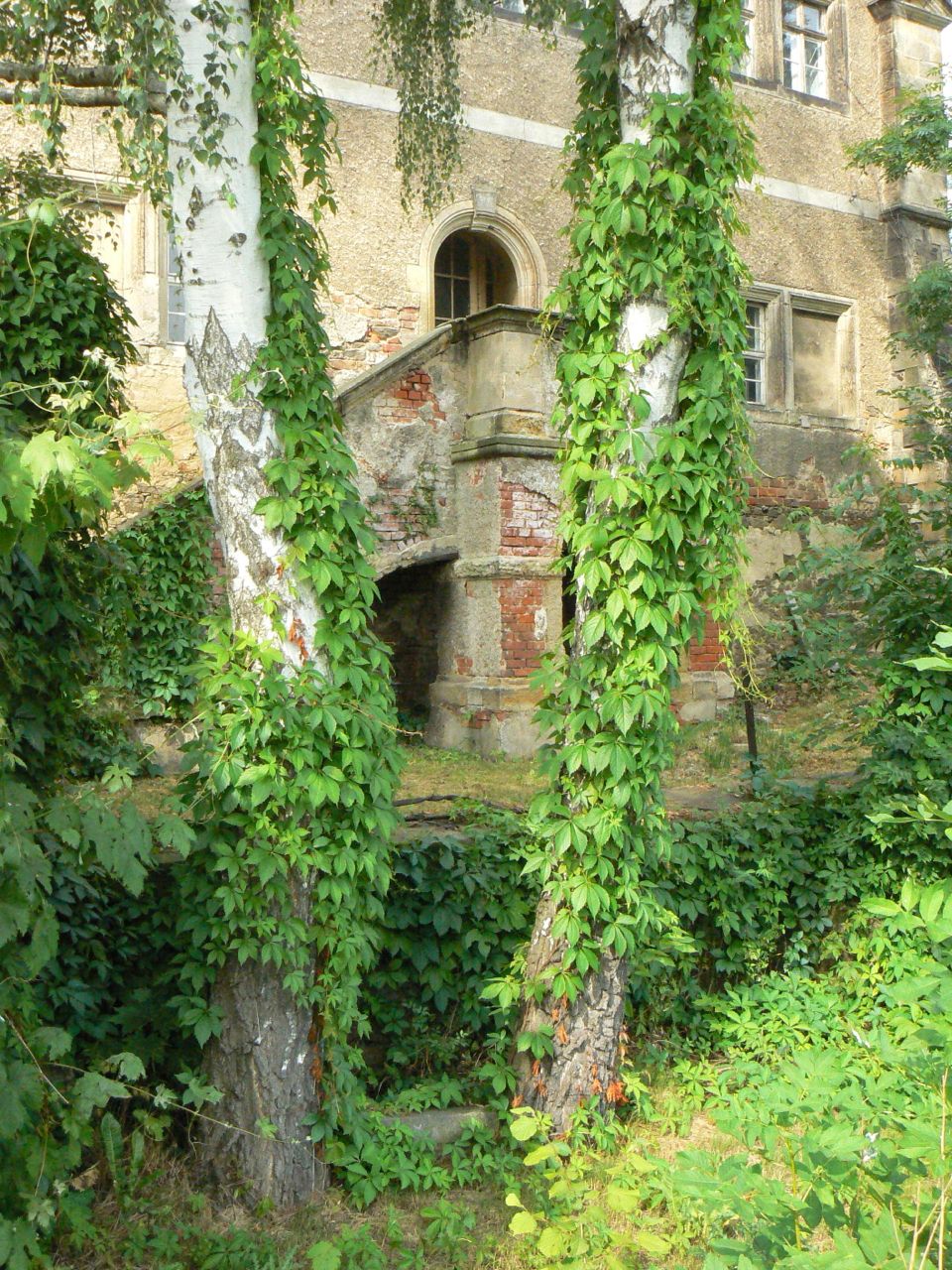
This is a new green man, for a city proud of a renewed German identity after the communist years. In Schönfeld, though, he’s a lot older. Pleasure palaces like Schönfeld (which means “Beautiful Field” were installations erected by the aristocracy of the Baroque period, where they could escape their stinking cities for the weekend and conduct business by flirting, playing games, including steeplechase, leapfrog, croquet and badminton, plus gambling, tea-drinking, flirting, and lots more. The palace at Schönfeld survived the communist period roughly. Time stopped.

P1130682

The buildings are in terrible disrepair, the botanical garden has gone wild,

P1130724

and picnic tables replaced any attempt at class.

P1130709

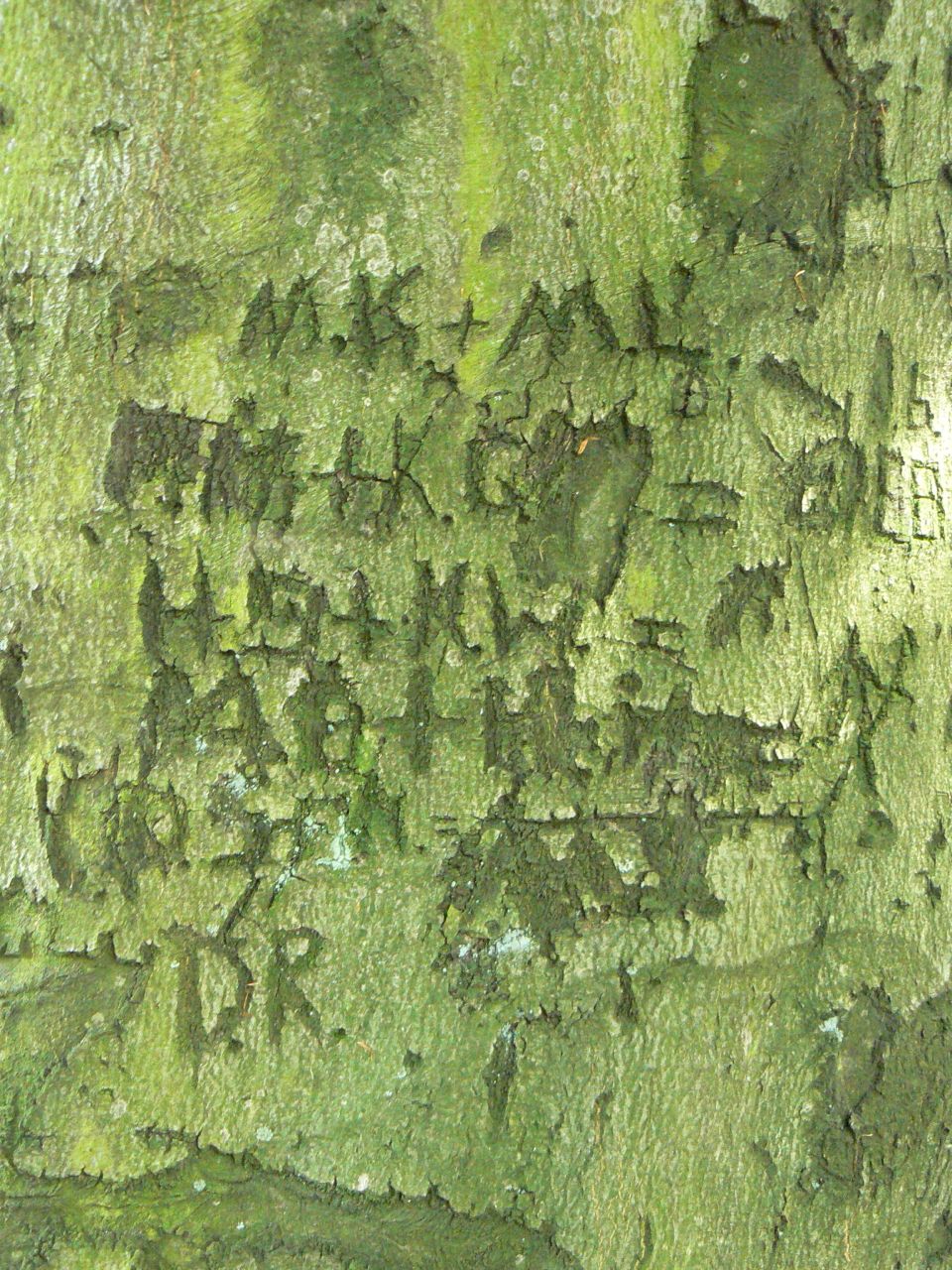
Even so, weekends are weekends, lovers came for decades, and left signs of their love in the Green Man’s trees. A little crossing out and then re-gouging, perhaps, but love can be like that.

P1130716

And the Green Man is still there. Look at him below, wearing his jester’s bells. Traditionally, those would be acorns, but the Baroque Age was full of wit.

P1130703

He’s not alone, either. He has a friend. Here he is:

P1130702

Look at him! Goatish horns, a goatish beard, like the hull of an acorn, and those drunken eyes, eh! This is Pan himself, god of wine, dalliance and pleasure palaces everywhere. He’s also a splendid Green Man, with full oakish hair and moustache, and no acorns because he’s one himself. Well, I read from my book, Two Minds, and talked about my experiences on the Camino, not the one in Spain but the northern one, that goes from Saarbrücken on the French border to Görlitz on the Polish one, and how I got lost, and found myself through a series of epiphanies, with the sense that I was meeting figures out of spiritual mythology on the road, and they were acting as guides, to show me the story that I couldn’t write because it was already there. Here’s Artemis, for example, pointing my way.

artemis

It was profound and life-altering, and when I came home (if I ever really did) I wrote my ghazals. They were joyous things. I laughed a lot those days, in the delight of making them, or, really, being present at the moment they came to light and revealed themselves. Here I am with Goethe on the road.

dichter

Goethe brought Islam into modern German culture, way back, two hundred years ago. I should have noticed that. I should have realized that the road to the Northern Orient was going to make me in its own image, just as it had made Goethe and Germany and European culture. Islamic scholars, diplomats, philosophers and holy men walked it regularly a thousand years ago, and there I was in Edmonton, and a listener at my reading gave me a note. “You should read this,” he said. Early in the morning, I did. The floor fell out from underneath me. I was still on the road. What he had given me was the heart of my book, which I had carried for seven years without a name, and now it had one: Khezr, the Hidden Prophet, Trickster Cook of Alexander. Khezr is one of the afrad, the Unique Ones who recieve illumination directly from God without human mediation; they can initiate seekers who belong to no Order or have no human guide; they rescue lost wanderers and desperate lovers in the hour of need. Well, that was me in the East. Here he is:

AlKhidr2

Source.

Riding that fish, he could be Merlin. There’s a good chance that he is. He’s always a bit of a spy. One of his functions is to convince skeptics of the marvelous, to rescue those who are lost in deserts of doubt and dryness. Do read the whole essay. It’s marvellous. Click. And how do I know it’s Khezr I found on the Camino? Easy. Take a look at the dragon wings he has instead of oak leaves for hair. With claws, and everything. And my wonky shot taken by reflex as I was coming back up from the river.

P1130703

That’s because in Sufic tradition, there is no separation between St. George and his dragon: they are one. This one-ness between wildness and civility, that is Khezr. It is mediated by Wisdom, or the illuminating power of God. The dragon doesn’t have to be killed. There is no dichotomy between viewer and viewed, humans and the earth, people and God. Khezr gets you there just like that. What you need is wisdom, not your own, but the light of intelligence itself, and that’s where the ghazal comes in. It’s a form that is built out of witty couplets of loosely connected ideas, which click together to form an image, a moment of beauty, of wit, of intellectual insight, or of spiritual truth. It then dissolves, and makes room for another couplet, and for at least three more, all differing from each other, seemingly with no connection at all, like a chain of droplets of light falling from the sun, until they settle in a pool at the bottom of the poem, and come together, miraculously, into unexpected union and insight, revealing the unity behind their difference, and then that, too, dissolves, leaving way for another another incarnation of light. That’s the way of the ghazal. It’s also the way of the pilgrim who lets himself get so lost that Khedr picks him up and carries him home — except that home is not where he started out. That’s my story. That’s my book. You can find it here, at Frontenac House: Two Minds. I can send you a copy. Just send me a note and we’ll work out the details.Your favourite bookstore will order it, of course.

Salaam Aleikum!

Reading from My New Books “Two Minds” and “The Art of Haying”

My new book and I are going on the road. These are ghazals in the tradition of John Thompson, P.K. Page and Robert Bly. They’re a lot of fun, and for me one way in which poetry is an act of attention within the world.twomindssm

Vernon, British Columbia, on Thursday, September 10, 2015, at 7:30 pm. Let’s celebrate our two minds together at Gallery Vertigo, 3001-31st, Vernon, upstairs (door around the corner) above the NDP office.

Edmonton, Alberta, on Saturday, September 12th, 2015,  from 2-4 pm  at the Frontenac House Celebration, Harcourt House Gallery, 3rd Floor, 10215-112 Street, Edmonton, AB

nh

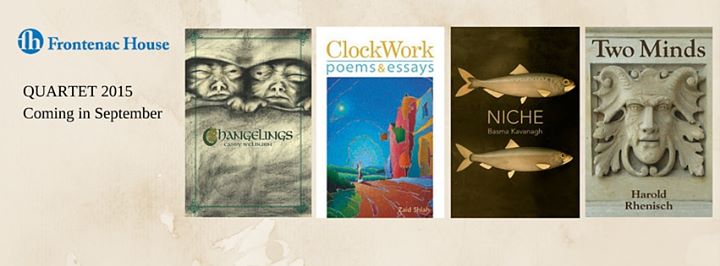
Calgary, Alberta, on Sunday, September 13, 2015, from 2-4 pm, at the Frontenac 2015 Quartet Launch hosted by Micheline Maylor at the Memorial Park Library, 1221-2nd Street SW, Calgary, AB. Here’s the full Quartet.

11817188_445636318959987_6229621327438258013_n

Changelings by Calgary poet/storyteller Cassy Welburn;
Two Minds by B.C. author, Harold Rhenisch;
Niche by Nova Scotian visual artist and poet Basma Kavanagh;
ClockWork by California based poet Zaid Shlah

Regina, Saskatchewan, on Monday, September 14, 2015, 7:30 p.m., Vertigo Reading Series at Crave Kitchen and Wine Bar, 1925 Victoria Avenue, Regina.

ldg

Lethbridge, Alberta, on Sunday, September 20, 2015, at 1 p.m., Main Branch Lethbridge Library, 5th Ave and 8th. St. South, Lethbridge, with a signing to follow at the Book Publishers Association of Alberta table at Word on the Street.


hayingFor the Regina and Lethbridge readings, I will also be presenting my new poetic essay on the future of the book, set in Iceland and lavishly illustrated with photographs from journeys there in three seasons.

Special Opportunity! Do you see how there’s time to invite me to come and read, talk to a class, speak to a writing group, or help you find the heart of a piece of writing, between the 14th and the 20th? Send me your ideas.


Two Minds: A Book of Ghazals

I am thrilled to show you the work of thirty years: Two Minds, a book of playful, spiritual poems in the Sufic form of the ghazal. She’s beautiful. To welcome her readers, she wears the mask of the Green Man I found in a ruined pleasure palace deep in East Germany, on my pilgrimage on the Northern Camino.

twomindssm

This a book of finding the hidden country between seeing and dreaming. I kept finding it in the act of turning away, which I realized, with time, was the real way to turn towards light. I learned that if I turned around in the thickets of the everyday world musically enough, there it would be, for a moment, revealing itself yet holding still, like a deer in the willows. The ghazal form I’m following here is the Canadian one, pioneered by John Thompson in At the Edge of the Chopping There Are No Secrets and Stilt Jack (1973 and 1976). Here’s a great little essay at ARC Magazine, in praise of Thompson’s pioneering work in this exciting form: click to read about the Canadian ghazal. In this tradition, a poem consists of pairs of ideas, usually five pairs, which only tangentially relate to each other, yet succeed in creating a new, unified, living presence that supersedes them both. This is the way a child is the result of the union of its parents, and soon walks on its own. What I discovered in the long process of writing and then honing this book was how these techniques form both a writing practice, a unique set of editing interventions and openings, and a spiritual practice beyond black & white thought. The book also honours the tradition of epigram and wit I learned from Robin Skelton, and the trickster tradition that I have been writing in for twenty years. These are poems of presence in the world. Here’s what poet Nancy Holmes has to say about these dances with the world, from the back cover:

nancy


Poet Laurie D. Graham picks up on another motif of mine — the act of writing from the world itself, beyond the Western idea of the nuclear self. This is also from the book’s back cover:

laurie


We’re going to be launching the book in Calgary on September 13, as part of this year’s Quartet of poetry from Frontenac House: four books, related by vision, across widely varying styles and themes.

From Clipboard


I am working up a BC tour for the fall, and hoping for a national one in the spring, in both literary and spiritual communities. If you have an idea of how we can share a moment in the world of Two Minds, drop me a line. I’d love to work with you.

Schroedinger’s Box

I have started a little site to record and focus a series of explorations in technology and the path of reading in a post-book age. I hope to range widely through cultural, scientific and technological material. The site is schroedingersbox.wordpress.com, and the first post goes like this …

Book Vs. eReader: The Quantum Gist

To find a path to uncertainty, Schroedinger’s Box and Quantum theory, a little cultural background is in order. Today, devices for managing this interface, old and new. Next time, the implications for the development of Quantum Theory. Which are you going to choose? The book?

cook

To keep your interest, this device for programming your mind comes in many colours and textures.

titanic-024-1


You can continually refresh your book identity with the illusion of newness.

camping


The book itself is a representation of your body, but a body made into a mind object.

Book of Hours

By monks. You contemplate it. It is a mirror.

14609-mary-of-burgundy-s-book-of-hours-netherlandish-miniaturist

Note the Christ on the left: mind and body in one. That’s the idea.

crossbible


You contemplate it. There are two ways of doing that. You can do it to something. For instance, you can think about the body of the book intently and at length, or you can just think intently and at length for spiritual reasons, without it being about the book. In the first case, you are absorbing the form of the book. You become the form, or, rather, lay down a template of bodily form in your mind, which will then fill, according to its shape.

antique_book3_by_objekt_stock


Like this:


water

(The glass is the book. It is ready to receive… but don’t try putting the wrong thing in there.

Running giraffeIt won’t take. You’ll wind up having to remove it.)

Giraffe

This is one of the dangers of book programming. Its fit with the world is imprecise and biased towards textuality.

neck

In comparison to a physical giraffe, the above representation (or reading) is much like the image below, to be used by children, who get to “colour it in”:

images


They use a physical representation of embodiment (training the body to become the book), which looks like this:

crayola-markers-clipart-crayola-crayons

For people who have become books, it is a lifelong pursuit, as the technology of transposing the book self in the place of the world requires continual refreshing.

full_Giraffe_Book_Page_Holder_1319580276


The book tries to make the experience enjoyable and new.

tears-of-the-giraffe

In the second case, you are meditating on the content specifically, and letting it wash over you or fill you. This is called “reading”, but it might be called “being written”, as the matter of the book is being laid down in your memory.

bluefairy

If you open it, you get stuff like this:

dln

As you can see, the individual pages of the book are a series of screens, each of which represent the same materialization of spirit as the book as a whole. The example below is the same as the one above. The content is interchangeable.

titanic-header-1

It’s like fractals. To refresh your mind, here’s a definition:

fractal is a natural phenomenon or a mathematical set that exhibits a repeating pattern that displays at every scale. Wikipedia.

Fractal_Broccoli

Romanesco Broccoli: A Natural Fractal. Source

And then there’s the eBook. It presents itself as a book, but it’s an entirely different body. Notice in the image below how its first characteristic is not to be a body but something a body reaches out and touches.

e-reader

What it touches is this:

Sony_reader_showing_pride_and_prejudice

Source

In other words, it is touching an image of a book. It’s not just any image, however, but a particular image of the body of a book called its content, and a specific form of that content which is like an analog tape …

analog-tape-recorder-130718

… which continuously unwinds past an observer, which picks up information in the unfolding time-frame dictated by the speed of revolution of the tape reels. This is an expression of Christian time, but a different form of it than seen in the book. In the book, time was represented as a continually repeated series of eternal, timeless body images, or images of incarnation. On analog tape, or the eBook, it is represented as a span of time removed from the world, and given a non-physical beginning and end, an Alpha and Omega, a Genesis and Apocalypse. This is one of the great Christian revolutions, and it is contained and promulgated in the eBook in the form of morphable, or changeable, representations of type, like this:

 ti

This is the eBook version of a human body-representation called “Treasure Island”…

?????????????????????

The eBook image of this body contains a morphable function, which allows a varying interface. For example, the large clunky text above can be rendered smooth and, well, teeny, like this:

ti2

… and anything in-between, in three shades, and a sliding scale of brightness, to make the physical reception of the text fit varying biological characteristics or preferences of the receiving human. Nonetheless, it has replaced the fractal function of the book (a series of screens, leading from “book” down to “page” down to “paragraph” down to “sentence” down to “word” down to “earth”) with a simplified image of fractals (big text or small text), leaving the body, the “reader”, inviolate. It is, in other words, a secular reading of Christian time, which accepts as a characteristic of the universe the unrolling analog tape of the Christian story, written in the earth and not in the perceiving human body, and positing the human body as something not of the world but separate from it. (How else would it remain constant, while controlling the fractals, however simplified they may be?) Fascinating stuff. Where then, in an eReader is the human body? Well, of course, it’s right there all along:

ereaders

The image above shows a variety of human bodies. You reach your finger forward (it is a kind of physical eye), right into the substance of the mind, and you use the finger to control the rate and appearance of the scroll of time. All things are representations of their age. In the case of the eReader, the content you scroll through is, understandably, given the medium, rented, not possessed, and commercial, rather than given to a body of knowledge. You won’t find an eReader in a hotel room drawer, like your heart in your opened chest.

gbjpg

It is not a heart. It is an interface into a collective group. A book can afford to say “I”. An eBook says “we”, a changeable term, meaning “all people who like broccoli” (for example, strange as that may be), or, more usually, “all people in the world.” “I”, on the other hand, is a scientific representation of a portable scientific point of view, which eliminates other points of view, to turn the world into a representation of its own rules — yes, the book. There are implications of this for quantum theory. More on that next time.